
Why Proper Security System Setup Matters in Access Control Installation
In today’s security-conscious environment, protecting physical spaces is just as important as safeguarding digital assets. Businesses, residential communities, healthcare facilities, schools, and industrial sites all rely on controlled entry systems to manage who can access specific areas. At the heart of this protection lies professional access control installation.
However, installing access control hardware alone is not enough. The effectiveness of any access control system depends heavily on the proper setup of the security system. Poor configuration, incorrect placement, and weak integration can compromise even the most advanced technology.
In this comprehensive guide, we’ll explore why proper installation and configuration are critical, the components involved, common mistakes to avoid, and how organizations can maximize the performance and longevity of their access control systems.
For homeowners looking to enhance protection, our professional surveillance cameras provide reliable monitoring with high-definition video and remote access capabilities.
What Is Access Control Installation?
Access control installation refers to the process of setting up systems that regulate and monitor entry into buildings or restricted areas. These systems replace traditional locks and keys with intelligent entry solutions such as:
- Electronic door locks
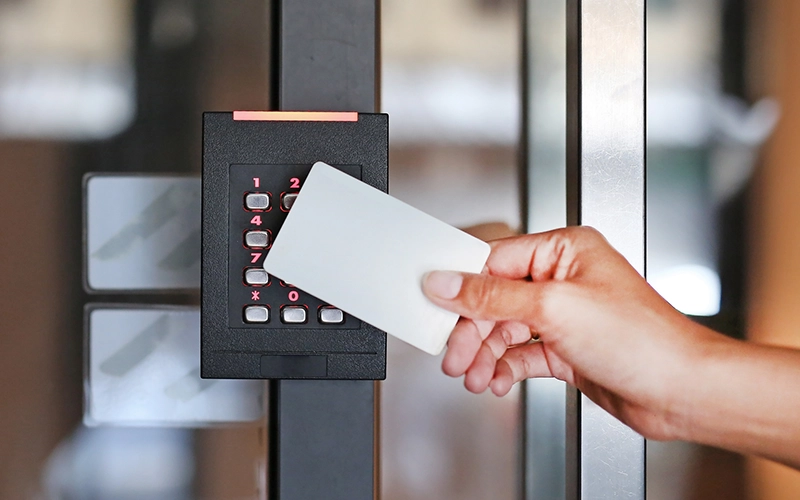
- Key card entry systems
- Biometric access systems
- PIN-based keypads
- Mobile credential access
- Cloud-based smart access solutions
A properly installed door access control system ensures that only authorized individuals can enter designated spaces while keeping detailed records of access activity.
Why Proper Security System Setup Is Critical
Installing access hardware without proper planning and configuration can lead to security gaps, operational disruptions, and long-term inefficiencies.
Here’s why correct setup matters:
Preventing Unauthorized Access
The primary goal of access control installation is to prevent unauthorized entry. If credentials are improperly configured or access levels are poorly assigned, sensitive areas may become vulnerable.
For example:
- Employees might gain access to restricted zones.
- Former staff accounts may remain active.
- Visitors may bypass security checkpoints.
A well-planned security system setup ensures access permissions are structured according to roles, departments, and clearance levels.
Ensuring System Reliability
Improper wiring, incorrect reader placement, or misaligned electronic door locks can cause:
- Doors failing to lock properly
- False access denials
- System downtime
- Safety hazards
Professional installation guarantees that hardware, software, and network components work seamlessly together.
Reliability is essential—especially in high-security environments such as data centers, laboratories, or financial institutions.
Optimizing Door Access Control Placement
Strategic placement of door access control components directly impacts system performance.
Important considerations include:
- Entry and exit traffic flow
- Emergency exit compliance
- ADA accessibility standards
- Environmental exposure
- Reader visibility
Poor placement may create bottlenecks, confusion, or security blind spots.
An expert access control installation ensures devices are positioned for both security effectiveness and user convenience.
Integrating with Other Security Systems
Modern security infrastructure rarely operates in isolation. Access control systems often integrate with:
- Surveillance cameras
- Alarm systems
- Intrusion detection
- Visitor management software
- Time and attendance systems
Without a proper security system setup, integration can fail or function inefficiently.
For example:
- Cameras may not trigger recording when a door opens.
- Alarm systems may not activate during forced entry.
- Audit logs may not sync properly.
Proper integration enhances overall situational awareness.
Core Components of Access Control Systems
Understanding the components involved helps illustrate why installation precision matters.
Electronic Door Locks
Electronic door locks replace traditional mechanical locks with electrically controlled mechanisms.
Types include:
- Magnetic locks (maglocks)
- Electric strikes
- Motorized deadbolts
Improper installation can lead to alignment issues, weakened door frames, or safety non-compliance.
Key Card Entry Systems
Key card entry systems are widely used in offices, hotels, and apartment buildings.
They offer:
- Customizable access levels
- Easy credential deactivation
- Audit trails
Correct reader placement and secure wiring are essential to prevent tampering or credential cloning vulnerabilities.
Biometric Access Systems
Biometric access systems use unique physical traits such as:
- Fingerprints
- Facial recognition
- Retina scans
While highly secure, these systems require precise calibration and proper environmental setup (lighting, positioning, and scanning distance).
Poor configuration can lead to:
- False rejections
- Slow authentication
- User frustration
Access Control Panels and Software
The control panel acts as the brain of the system, managing permissions and logging activity.
Improper configuration can result in:
- Data logging errors
- Access scheduling conflicts
- System crashes
Professional security system setup ensures software is optimized and securely connected to the network.
Common Mistakes in Access Control Installation
Organizations sometimes underestimate the complexity of access control systems.
Here are common mistakes to avoid:
Poor Access Level Structuring
Granting blanket access permissions to all employees defeats the purpose of access control.
Best practice:
- Assign role-based access
- Restrict sensitive areas
- Use time-based permissions
Ignoring Future Scalability
A system that works for 20 employees may not scale for 200.
Smart access solutions should allow:
- Additional doors
- New users
- Expanded facilities
- Remote management
Planning for growth prevents costly replacements later.
Neglecting Access Control Maintenance
Like any security system, access control requires ongoing access control maintenance.
Maintenance includes:
- Firmware updates
- Hardware inspections
- Credential audits
- Backup testing
- Log reviews
Failure to maintain the system can lead to vulnerabilities and performance issues.
Overlooking Emergency Compliance
Access control systems must comply with fire and life safety codes.
Improper installation can:
- Block emergency exits
- Delay evacuation
- Violate regulations
Professional installers ensure systems unlock automatically during emergencies while maintaining security standards.
Benefits of Professional Access Control Installation
While DIY solutions exist, professional installation offers significant advantages.
Risk Assessment and Planning
Professionals conduct site evaluations to determine:
- Entry point vulnerabilities
- Traffic patterns
- High-risk zones
- Infrastructure requirements
This ensures a tailored security system setup.
Proper Wiring and Power Configuration
Incorrect wiring can damage equipment or create safety hazards.
Professional installers ensure:
- Stable power supply
- Backup battery integration
- Surge protection
- Secure network connectivity
Seamless System Integration
Integrating key card entry systems, biometric access systems, and surveillance cameras requires technical expertise.
Professionals ensure smooth communication between components.
Reduced Downtime
Improper installation can lead to operational disruptions.
Professional teams minimize downtime and ensure systems function correctly from day one.
The Role of Smart Access Solutions
Technology continues to evolve. Modern smart access solutions now offer:
- Mobile phone credentials
- Cloud-based management
- Remote door unlocking
- Real-time activity monitoring
- Temporary visitor passes
These features increase convenience while maintaining strong security.
However, advanced systems demand even more precise configuration. Incorrect cloud integration or poor credential management can expose systems to cyber risks.
Access Control for Different Environments
Different facilities require tailored approaches.
Commercial Offices
- Key card entry systems
- Department-based permissions
- Visitor management integration
Healthcare Facilities
- Restricted patient data areas
- Biometric access systems
- Emergency override features
Educational Institutions
- Controlled campus entry
- Time-based student access
- Staff-only zones
Industrial Sites
- High-security zones
- Multi-factor authentication
- Environmental durability
Each environment demands careful access control installation and ongoing access control maintenance.
Long-Term Security and ROI
Proper installation protects your investment.
Benefits include:
- Reduced theft and liability
- Lower insurance costs
- Better compliance
- Improved operational efficiency
- Increased property value
A well-configured system reduces costly security breaches and avoids expensive system replacements.
Best Practices for Successful Access Control Installation
To ensure optimal results:
- Conduct thorough security assessments
- Use high-quality hardware
- Implement layered access levels
- Integrate with surveillance systems
- Schedule routine access control maintenance
- Train staff on proper system usage
- Regularly audit credentials and permissions
Security is not a one-time installation—it’s an ongoing process.
Conclusion
Access control installation is more than mounting electronic door locks and configuring key card entry systems. It is a strategic process that requires careful planning, precise implementation, and continuous maintenance.
A properly executed security system setup ensures reliable door access control, seamless integration with biometric access systems, and scalable smart access solutions that grow with your organization.
Cutting corners during installation can lead to vulnerabilities, compliance issues, and long-term operational challenges. Investing in professional installation and ongoing access control maintenance guarantees that your system delivers maximum protection, efficiency, and peace of mind.
In today’s security landscape, proper access control isn’t optional—it’s essential.