
Professional Surveillance Camera Systems in Michigan
We design, install, and support professional surveillance camera systems for Michigan businesses that need reliable visual verification of activity across their facilities.
A properly planned surveillance system can help document ongoing, live, and past incidents while providing useful visual information such as vehicle characteristics, license plates where appropriate, and identifying details about people involved in an event.
Our current surveillance technology portfolio includes:
- Acti Corporation
- Ai-rgus Camera Health Monitoring
- Avigilon Alta Video
- Avigilon Unity Video
- Axis Communications
- Eagle Eye Networks
- Exacq Technologies
- Salient Systems
We select surveillance technology based on the building, areas requiring coverage, recording requirements, existing infrastructure, and broader security needs.
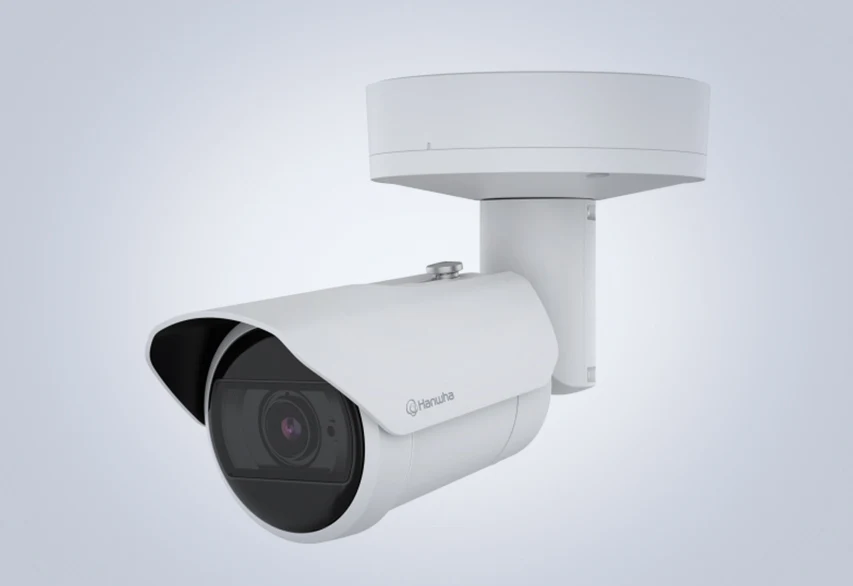
Professional Surveillance Camera System Installation
A professional surveillance camera system is more than a collection of cameras.
A commercial deployment can involve cameras, recording or video-management technology, network infrastructure, storage, user access, and system configuration working together to provide usable video when it is needed.
Our surveillance camera installation process begins by understanding what the business needs to see and document.
That can include areas such as:
- Building entrances and exits
- Parking areas
- Loading and delivery areas
- Hallways
- Reception areas
- Warehouses
- Inventory areas
- Exterior perimeters
- Other operational or security-sensitive locations
Camera placement and system configuration should reflect the actual facility rather than using the same layout for every property.
Visual Verification for Security Incidents
One of the primary purposes of surveillance video is visual verification.
Recorded or live video can help a business review what occurred during an incident and provide additional context that an alarm event alone may not provide.
Depending on camera placement, image quality, lighting, and the technology selected, surveillance footage may help document:
- People involved in an incident
- Clothing or visible identifying characteristics
- Vehicles
- Vehicle color, make, or model
- License plates where suitable camera technology and placement are used
- Entry and exit activity
- Events occurring in monitored areas
The usefulness of footage depends heavily on system design, camera positioning, lighting, and recording quality.
IP Intercom System Installation
Modern commercial intercom systems may use IP networks to provide voice and video communication between entry stations and staff.
IP-based systems can be useful when a business wants to connect multiple entry points or use network-based communication rather than relying entirely on older analog wiring.
The suitability of an IP intercom depends on:
- Existing network infrastructure
- Available cabling
- Number of entrances
- Selected intercom platform
- Required video functionality
- Access-control compatibility
We evaluate these conditions before recommending a system.
IP Surveillance Camera Systems
Modern commercial surveillance systems commonly use network-connected IP cameras.
IP cameras transmit digital video through compatible network infrastructure and can be managed through supported recording or video-management platforms.
Depending on the selected system, an IP surveillance deployment may include:
- Multiple network cameras
- Local or cloud-managed video
- Video management software
- Recording and storage
- User permissions
- Remote system access
- Video analytics
- Integration with compatible security technologies
Exact functionality varies by manufacturer, platform, licensing, hardware, and configuration.
Surveillance Recording and Video Management
Capturing video is only part of a professional surveillance solution.
Businesses also need a practical way to record, locate, review, and manage footage.
Depending on the selected platform, surveillance systems may use:
- Network video recorders
- Local video servers
- Cloud-managed video platforms
- Video management systems
- Hybrid recording environments
We work with both cloud-oriented and locally managed video technologies within our current surveillance portfolio.
The appropriate approach depends on the business’s infrastructure, recording requirements, number of cameras, and system-management preferences.
Avigilon Alta Video
We work with Avigilon Alta Video as part of our surveillance portfolio.
Alta Video is a cloud-managed video-security platform that can support centralized management of compatible cameras and video-security functions.
Because available features vary by hardware, subscription, and configuration, we determine the appropriate Alta environment based on the requirements of the project.
Avigilon Unity Video
Our portfolio also includes Avigilon Unity Video.
Unity Video provides video-management capabilities for locally managed surveillance environments and can support compatible cameras, recorded video, live monitoring, and other video-security functions.
The system configuration depends on the cameras, server environment, storage requirements, licensing, and other project factors.
Axis Communications
We also work with Axis Communications surveillance technology.
Axis offers network video products for commercial security applications, including different camera designs and video technologies.
Camera selection should be based on factors such as:
- Location
- Viewing distance
- Lighting
- Required field of view
- Indoor or outdoor placement
- Image-detail requirements
- Existing network infrastructure
We evaluate these conditions before determining which camera type fits the application.
Eagle Eye Networks
Eagle Eye Networks is also part of our current surveillance technology portfolio.
Its platform provides cloud-based video-management capabilities for compatible commercial surveillance deployments.
Available functionality depends on the selected cameras, equipment, licensing, and deployment configuration.
Exacq and Salient Video Management Technologies
Our current surveillance offering also includes technologies from:
- Exacq Technologies
- Salient Systems
These platforms provide video-management capabilities for compatible surveillance environments.
Because every video-management platform has different compatibility, licensing, storage, and deployment requirements, we select the appropriate environment based on the existing system and project needs.
Camera Health Monitoring With Ai-rgus
A camera system only provides useful evidence when its cameras and recording environment are functioning properly.
Our current portfolio includes Ai-rgus Camera Health Monitoring.
Camera-health technology can help identify problems affecting surveillance-system operation instead of relying only on someone discovering an issue when footage is needed.
The monitoring capabilities available depend on the deployed system and configuration.
Indoor and Outdoor Surveillance Cameras
Commercial facilities often need different cameras for different areas.
Indoor Surveillance
Indoor cameras may be considered for areas such as:
- Entrances
- Reception areas
- Hallways
- Warehouses
- Inventory spaces
- Other appropriate business areas
The camera type and field of view should be selected around the space being monitored.
Outdoor Surveillance
Exterior surveillance may be appropriate for:
- Building entrances
- Parking areas
- Loading zones
- Gates
- Exterior perimeters
- Other outdoor operational areas
Outdoor equipment should be selected according to environmental conditions, required viewing distance, lighting, mounting location, and the level of image detail required.
License Plate and Vehicle Identification
The existing Honor Security surveillance offering includes the ability to support visual verification involving vehicle details, including license plates.
However, reliable vehicle or plate identification depends on more than simply installing a standard camera.
Important factors can include:
- Camera position
- Vehicle speed
- Distance
- Viewing angle
- Lighting
- Image resolution
- Selected camera technology
For that reason, locations where vehicle identification is important should be evaluated specifically for that purpose.
Surveillance Cameras and Access Control
Video surveillance can also work alongside access control systems.
Access control records credential-based entry activity, while cameras can provide visual information around a controlled door.
Where the selected technologies are compatible, combining these systems may make it easier to review access events alongside relevant video.
The exact integration depends on the platforms being used.
Surveillance Cameras and Intrusion Detection
Surveillance can also complement intrusion detection systems.
An intrusion system can identify configured alarm events, while video can provide visual context around what occurred.
On compatible platforms, the two technologies may be coordinated to improve incident review.
Surveillance Cameras and Intercom Systems
At visitor-facing entrances, surveillance technology may also be considered alongside intercom systems.
Video surveillance provides broader visibility around the entrance, while an intercom allows staff to communicate directly with a visitor.
The appropriate combination depends on the building’s visitor-management requirements.
New Surveillance Camera Installation
A new surveillance project should begin with the facility rather than the camera specification.
We evaluate factors such as:
- Areas that need coverage
- Important entry and exit points
- Required level of visual detail
- Indoor and outdoor conditions
- Lighting
- Existing network infrastructure
- Recording and storage requirements
- Number of users
- Existing security systems
- Future expansion requirements
We then determine the appropriate cameras, management platform, recording approach, and system configuration.
Upgrading an Existing Surveillance System
A business with an existing surveillance system may not always need to replace everything.
Depending on the condition and compatibility of the equipment, an upgrade may involve:
- Replacing selected cameras
- Expanding coverage
- Updating recording equipment
- Moving to a different video-management platform
- Improving storage
- Updating network infrastructure
- Adding supported analytics
- Integrating compatible security technologies
We first evaluate the existing system before determining which components can remain in use.
Surveillance Camera Systems Across Michigan
We install and support commercial surveillance technology throughout Michigan, with dedicated local service information available for several markets.
Businesses in Saginaw can learn more about our surveillance camera installation in Saginaw, MI, including planning, installation, repairs, and system support. Honor Security’s Saginaw page confirms that we provide commercial surveillance installation, visual verification, repairs, training, and ongoing support.
For Bay City facilities, our commercial surveillance camera services in Bay City, MI cover new systems, repairs, preventative maintenance, and professional surveillance support.
Businesses in Flint can also review our security camera services in Flint, MI for location-specific information about commercial camera systems, system upgrades, and surveillance support.
These local pages provide city-specific information, while this page serves as the main overview of our professional surveillance camera system offering.
Frequently Asked Questions About Professional Surveillance Camera Systems
What is a professional surveillance camera system?
A professional surveillance camera system combines cameras, recording, storage, networking, and video-management technology to provide live and recorded video for a business.
What surveillance technologies does Honor Security support?
Our current portfolio includes ACTi, Ai-rgus Camera Health Monitoring, Avigilon Alta Video, Avigilon Unity Video, Axis Communications, Eagle Eye Networks, Exacq Technologies, and Salient Systems.
Can surveillance cameras capture license plates?
Yes, when suitable camera technology, placement, lighting, distance, and viewing angles support clear plate capture.
Can surveillance cameras integrate with access control or intrusion detection?
Compatible systems can work together to provide video alongside access-control or intrusion events. Available functions depend on the selected platforms and configuration.
Do you install indoor and outdoor surveillance cameras?
Yes. We provide commercial surveillance solutions for appropriate indoor and outdoor areas based on location, lighting, environment, and coverage requirements.
Can an existing surveillance system be upgraded?
Possibly. We evaluate existing cameras, recording equipment, cabling, networking, and compatibility before recommending an upgrade or replacement.
Do you install surveillance systems outside Saginaw?
Yes. We serve businesses across Michigan, with dedicated surveillance service pages for Saginaw, Bay City, and Flint.
Professional Surveillance Camera Systems for Michigan Businesses
We provide professional surveillance camera system planning, installation, and support for Michigan businesses that need reliable visual verification and recorded video for their facilities.
Whether you are planning a new surveillance system, replacing older equipment, expanding camera coverage, or evaluating integration with other security technologies, we can review your facility and determine which supported surveillance solution fits the requirements.
Honor Security, Inc.
141 Harrow Lane, Suite 1
Saginaw, MI 48638
Phone: (989) 401-7070