 Skip to content

Troubleshooting Fire Alarm Ground Faults: Causes and Solutions
Troubleshooting fire alarm problems starts with understanding what the panel is reporting. A ground fault is a trouble condition caused by an unintended electrical connection between part of the fire alarm circuit and ground.
Fire alarm troubleshooting should be handled carefully because fire alarm systems are life-safety equipment. Moisture, damaged wiring, loose connections, and failed devices are common causes, but locating the exact fault often requires professional testing and circuit isolation.
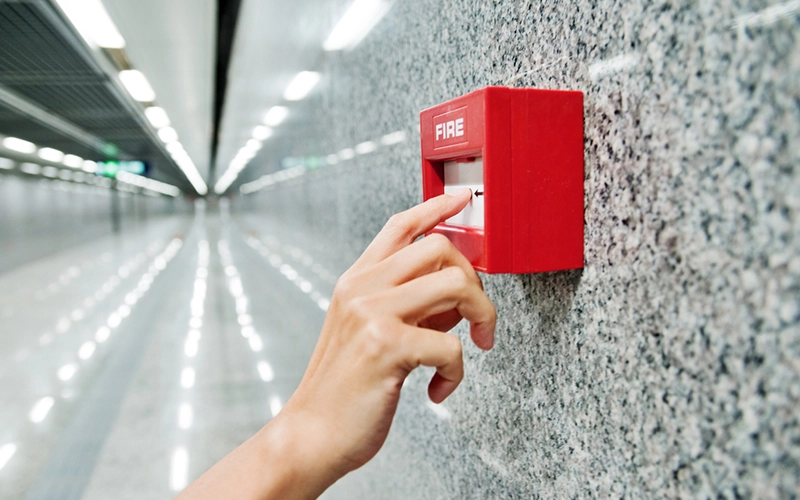
Fire Alarm Troubleshooting: Understanding Common Trouble Signals
A fire alarm panel can report different conditions depending on what is happening in the system.
Alarm vs. Trouble Signals on a Fire Alarm Panel
An alarm signal indicates that an initiating device has detected a possible fire-related condition. A trouble signal indicates a problem with the fire alarm system itself, such as wiring, communication, power, battery, or ground-fault issues.
Common Causes of Fire Alarm Trouble Signals
Trouble signals may result from damaged wiring, moisture intrusion, loose connections, failed devices, communication problems, power issues, or faults affecting monitored circuits.
What Is a Ground Fault in a Fire Alarm System?
A ground fault in fire alarm system wiring occurs when a conductor unintentionally makes electrical contact with ground or another grounded surface.
This can create a trouble condition and reduce confidence in the system until the fault is located and corrected.
What Does a Fire Alarm Ground Fault Mean?
A fire alarm ground fault means the panel has detected an abnormal connection between a circuit and ground.
The fault may be in wiring, conduit, a field device, a connection point, or another system component.
What Causes a Fire Alarm System Ground Fault?
A fire alarm system ground fault can be caused by moisture, damaged insulation, pinched wiring, loose connections, faulty devices, or wires contacting grounded metal.
Common Causes of a Fire Alarm Panel Ground Fault
A fire alarm panel ground fault often originates somewhere on the connected field wiring rather than inside the panel itself.
Damaged or Exposed Fire Alarm Wiring
Cuts, crushed insulation, pinched conductors, or wiring damaged during renovations can create a path to ground.
Moisture and Water Damage
Water entering conduit, junction boxes, basements, outdoor devices, or other damp areas can cause intermittent or persistent ground faults.
Loose Electrical Connections
Loose or deteriorated connections may allow conductors to contact grounded surfaces or behave unpredictably.
Faulty Fire Alarm Devices and Components
A damaged notification appliance, initiating device, module, or other connected component can also create a ground-fault condition.
Ground Fault Fire Alarm System Troubleshooting
Ground fault fire alarm system troubleshooting is usually a process of narrowing down the affected area and then testing the wiring and connected devices.
Because the system protects life and property, this work should be performed by qualified personnel rather than through trial-and-error modifications.
Fire Alarm Ground Fault Troubleshooting Steps
Professional fire alarm ground fault troubleshooting generally includes reviewing panel indications, identifying the affected circuit, isolating sections of the system, testing wiring, inspecting devices, and verifying normal operation after repair.
How to Find a Ground Fault on a Fire Alarm Panel
A technician first uses the panel information and system documentation to determine which circuit, loop, or zone is affected. Diagnostic testing then helps narrow the fault to a smaller section.
Isolating the Circuit or Zone Causing the Ground Fault
Sections of the affected circuit may be isolated methodically until the area containing the fault is identified.
On addressable systems, several devices may share the same communication loop, which can make diagnosis more complex.
Checking Fire Alarm Wiring and Connected Devices
Once the affected area is narrowed down, technicians inspect wiring, connectors, field devices, conduit, and locations exposed to moisture or physical damage.
What Is a Fire Alarm Earth Fault?
A fire alarm earth fault is another term used for an unintended electrical connection between a circuit and earth or ground.
Fire Alarm Earth Fault vs. Ground Fault
In this context, earth fault and ground fault generally describe the same basic electrical condition. Terminology may vary by region, manufacturer, or documentation.
How Wiring Problems Can Trigger an Earth Fault
Damaged insulation, moisture, pinched conductors, or contact with grounded metal can create an unintended path to earth.
What Does a Ground Fault Alarm Mean?
A ground fault alarm or trouble indication means the system has detected an electrical fault that requires investigation.
Why a Ground Fault Alarm Should Not Be Ignored
Ignoring a ground fault can allow the underlying wiring or device problem to remain unresolved and may affect system reliability or inspection results.
Can a Ground Fault Affect Fire Alarm System Operation?
Yes. Depending on the system and fault location, a ground fault may interfere with proper operation or make additional faults harder to identify.
How to Remove a Ground Fault in a Fire Alarm System
How to remove a ground fault in fire alarm system equipment depends on the cause. The correct fix is to locate and repair the actual wiring, moisture, connection, or device problem—not simply clear the panel indication.
Identify and Isolate the Fault
Qualified technicians narrow the problem to the affected circuit, loop, zone, or device using appropriate diagnostic procedures.
Repair Damaged Wiring or Faulty Components
Repair may involve replacing damaged wiring, correcting connections, replacing failed devices, or addressing areas where moisture has entered the system.
Reset and Test the Fire Alarm System
After the physical cause is corrected, the system should be restored and fully tested to confirm that the trouble condition has cleared and normal operation has returned.
When Fire Alarm Troubleshooting Requires a Professional
Troubleshooting fire alarm ground faults should involve a professional whenever the fault cannot be identified through normal operator-level checks or requires access to system wiring, circuits, programming, or field devices.
Honor Security provides security system repairs and professional diagnostics for alarm-panel and system faults.
Recurring Ground Faults
A recurring fault may indicate moisture, deteriorating insulation, damaged conduit, or another condition that has not been permanently corrected.
Intermittent Fire Alarm Trouble Signals
Intermittent trouble signals can be especially difficult to diagnose because the electrical contact may appear only under certain environmental or operating conditions.
Fire Alarm Panel and Wiring Problems
Panel faults, field wiring problems, addressable-loop issues, and device failures require systematic testing to locate the actual source without compromising other parts of the system.
Frequently Asked Questions About Fire Alarm Troubleshooting
What does a ground fault mean on a fire alarm panel?
It means the panel has detected an unintended electrical connection between part of the fire alarm circuit and ground.
What causes a ground fault in a fire alarm system?
Common causes include moisture, damaged or pinched wiring, deteriorated insulation, loose connections, and faulty devices.
How do you find a ground fault in a fire alarm system?
Qualified technicians narrow the problem by identifying the affected circuit and systematically isolating and testing sections of wiring and connected devices.
How do you remove a ground fault in a fire alarm system?
Locate and repair the physical cause, such as damaged wiring, moisture intrusion, a poor connection, or a faulty component, then test the system.
What is the difference between a fire alarm earth fault and a ground fault?
They generally describe the same type of unintended electrical connection to earth or ground.
Why does my fire alarm panel keep showing a ground fault?
Recurring faults may result from moisture, damaged insulation, loose wiring, or a component that continues to fail intermittently.
Can a ground fault cause a fire alarm system to fail?
A ground fault can affect reliability and should be investigated promptly so the system can be returned to normal operation.
When should I call a professional for fire alarm troubleshooting?
Call a professional when a trouble signal persists, returns repeatedly, or requires electrical testing, circuit isolation, wiring repair, or component replacement.
