 Skip to content
The Importance of Environmental Monitoring in Critical Industries
A reliable intercom system for home use is no longer a luxury—it’s an essential part of modern residential security and convenience. Whether you want to communicate between rooms, screen visitors at the door, or integrate audio and video access control, today’s intercom systems offer powerful features for homeowners.
When choosing between a wired home intercom system and a wireless home intercom system, the decision often comes down to installation requirements, property layout, budget, scalability, and long-term reliability. In this guide, we’ll explore everything you need to know to determine which solution is right for your home.
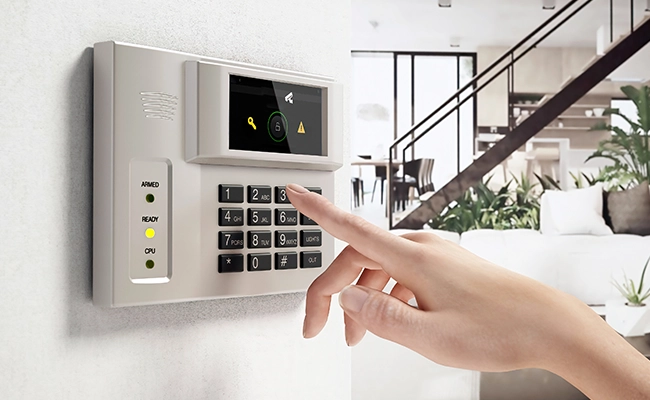
What Is a Home Intercom System?
A home intercom system allows communication between rooms or between the interior and exterior of a home. Modern systems often include:
- Two-way audio intercom system functionality
- Video door intercom for house entry
- Smartphone integration
- Smart home intercom system compatibility
- IP intercom system for home networking
- Home intercom with camera for visitor verification
These systems improve communication, enhance security, and streamline visitor management.
What Is a Wired Intercom System?
A wired intercom system connects indoor and outdoor stations using physical cables (typically CAT5/CAT6, coaxial, or low-voltage wiring).
Key Features
- Hardwired connections between stations
- Stable audio and video transmission
- No dependency on Wi-Fi
- Power is supplied through centralized wiring
Advantages of Wired Intercom Systems
Reliability
Because wired systems do not rely on Wi-Fi signals, they offer consistent performance with minimal interference. This is ideal for larger homes or properties with thick walls that weaken wireless signals.
Superior Audio and Video Quality
Hardwired systems typically provide clearer sound and higher-quality video feeds, especially in high-definition video door intercom setups.
Enhanced Security
Wired systems are less vulnerable to hacking compared to wireless networks. This makes them suitable for high-security residential applications.
Long-Term Investment
While installation costs may be higher, wired systems are durable and require minimal troubleshooting over time.
Disadvantages of Wired Intercom Systems
- Higher upfront installation costs
- Requires professional installation
- Not ideal for finished homes without pre-installed wiring
- Limited flexibility for relocation of stations
Wired systems are best suited for new construction homes or major renovation projects where wiring can be planned in advance.
What Is a Home Intercom System?
A wireless home intercom system uses Wi-Fi, radio frequency (RF), or IP-based networking to connect devices without extensive cabling.
Key Features
- Wi-Fi or RF connectivity
- App-based controls
- Cloud integration
- Smartphone and smart home compatibility
Advantages of Wireless Intercom Systems
Easy Installation
Wireless systems are ideal for retrofit projects. Installation typically involves mounting devices and connecting to Wi-Fi—no wall cutting required.
Cost-Effective Setup
Because no wiring is needed, labor costs are significantly reduced.
Flexible and Scalable
You can easily add additional units, move stations, or integrate smart home intercom system features without rewiring.
Remote Access
Many wireless systems allow homeowners to answer doors remotely via mobile apps—perfect for frequent travelers.
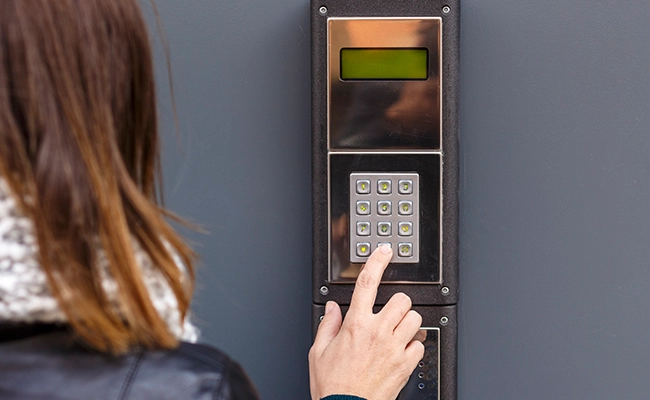
Disadvantages of Wireless Intercom Systems
- Dependent on the internet connection
- Possible signal interference
- Requires strong Wi-Fi coverage
- Slightly higher cybersecurity considerations
Wireless systems are ideal for homeowners who prioritize convenience and smart integration.
Wired vs Wireless: Side-by-Side Comparison
Feature | Wired Intercom | Wireless Intercom |
Installation | Complex | Simple |
Reliability | Very High | High (Wi-Fi dependent) |
Audio/Video Quality | Excellent | Very Good |
Expansion | Limited | Easy |
Cost (Initial) | Higher | Lower |
Long-Term Maintenance | Low | Moderate |
Smart Home Integration | Possible | Excellent |
IP Intercom System for Home
IP intercom systems combine the reliability of structured cabling with network-based communication. These systems:
- Operate over Ethernet (PoE)
- Allow remote monitoring
- Integrate with access control and surveillance cameras
- Offer scalable multi-room communication
IP systems are commonly used in luxury homes and larger properties requiring advanced access control features.
Smart Home Integration
Both wired and wireless systems can integrate with smart home ecosystems, including:
- Door locks
- Security cameras
- Alarm systems
- Mobile apps
- Voice assistants
Wireless systems often provide smoother integration with smart home platforms.
Installation Considerations
Choose Wired If:
- Building a new home
- Remodeling extensively
- Prioritizing long-term stability
- Security is your top concern
Choose Wireless If:
- Installing in an existing finished home
- Need quick deployment
- Want remote mobile access
- Prefer lower upfront costs
Security Considerations
For homeowners concerned about cybersecurity:
- Use encrypted systems
- Update firmware regularly
- Secure your Wi-Fi network
- Use strong passwords and multi-factor authentication
Wired systems offer physical security advantages, while wireless systems require digital safeguards.

Cost Breakdown
Wired System Costs
- Equipment: Moderate to High
- Installation: High
- Maintenance: Low
Wireless System Costs
- Equipment: Moderate
- Installation: Low
- Maintenance: Moderate (Wi-Fi management)
Long-term value depends on your home’s structure and future scalability needs.
Use Cases
Large Estate Homes
Wired or IP-based systems are ideal for stable communication across extended square footage.
Townhomes and Apartments
Wireless systems provide quick installation and flexibility.
Multi-Story Homes
Wireless systems with Wi-Fi extenders can work well, but wired systems provide maximum stability.

Making the Right Choice
Ask yourself:
- Is the home under construction?
- Do I need mobile remote access?
- How important is installation cost?
- Do I plan to expand later?
- How reliable is my Wi-Fi?
Your answers will guide your decision.
Conclusion
Both wired and wireless intercom systems offer excellent benefits for modern homeowners. Wired systems provide unmatched reliability and security, while wireless systems offer flexibility, convenience, and smart home compatibility.
The best solution depends on your home’s layout, budget, and long-term goals. Consulting with a professional residential intercom installation specialist ensures you choose a system tailored to your specific needs.
