
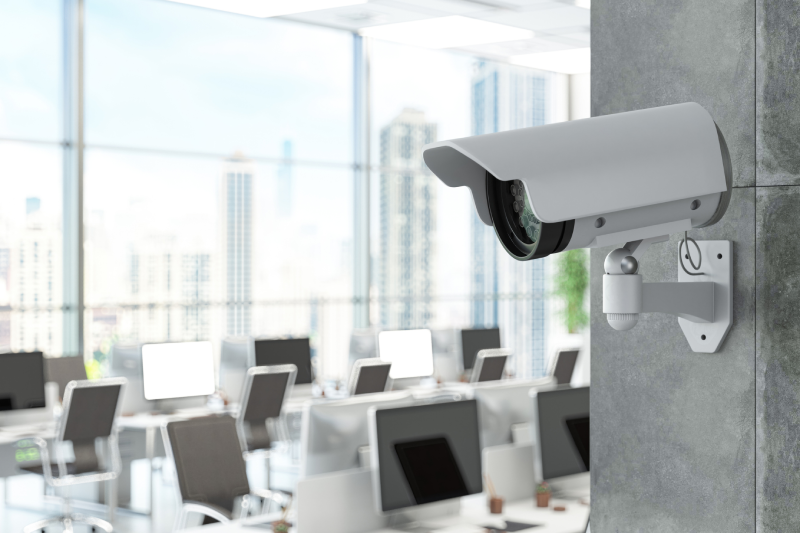
Choosing the Right Video Surveillance System for Business
Investing in a video surveillance system for business is about more than installing cameras around a building. The right solution should help protect people, monitor business operations, support incident investigations, and adapt as your organization grows.
Every commercial property has different security priorities, making it important to evaluate how a surveillance system will fit your facility before selecting equipment.
Step 1: Identify What You Want Your Surveillance System to Protect
Before comparing cameras or recording equipment, determine what you need your surveillance system to accomplish.
Many businesses use surveillance to monitor:
- Building entrances and exits
- Parking lots
- Customer areas
- Employee-only spaces
- Inventory storage
- Loading docks
- Reception areas
Identifying these priorities early helps determine the scope of the commercial video surveillance system and the number of cameras required.
Step 2: Evaluate Your Building Layout
Camera placement is influenced by far more than the size of the building.
Consider factors such as:
- Indoor and outdoor coverage
- Lighting conditions
- Building entrances
- High-value assets
- Blind spots
- Areas with restricted access
A thoughtful assessment helps ensure the surveillance system provides meaningful coverage rather than simply adding more cameras.
Step 3: Choose a Recording Platform That Matches Your Operations
Recording and managing video is just as important as capturing it.
Many businesses evaluate how footage will be stored, accessed, and reviewed before selecting a system.
An NVR system for business is commonly used to record and manage video from network-based surveillance cameras. Depending on the organization’s operational requirements, businesses may also evaluate cloud video surveillance for remote access and centralized video management.
The most appropriate recording solution depends on the facility, administrative preferences, and long-term operational needs.
Step 4: Consider How Video Will Be Managed
As surveillance systems expand, reviewing recorded footage efficiently becomes increasingly important.
Many commercial organizations use Video Management Software (VMS) to organize cameras, monitor live video, review recorded events, and manage user access from a centralized interface.
Choosing a platform with the appropriate VMS can simplify day-to-day administration while supporting future system growth.
Step 5: Decide Which Features Add Value to Your Business
Not every surveillance system requires the same capabilities.
Depending on the application, businesses may evaluate features such as:
- Remote video access
- Camera grouping
- Event notifications
- User permissions
- Video analytics security
- Centralized monitoring
Rather than selecting every available feature, focus on those that support your organization’s operational requirements.
Step 6: Plan for Future Expansion
Business security needs often change over time.
Additional employees, building expansions, renovations, or operational changes may require more cameras or expanded coverage.
Selecting a business CCTV system that supports future growth can reduce the need for significant hardware replacement as security requirements evolve.
Step 7: Compare More Than Camera Specifications
Camera resolution is only one part of the buying decision.
Before selecting a provider, consider:
- System design
- Camera placement strategy
- Recording capabilities
- User management
- Ongoing support
- Future scalability
- Integration opportunities
Looking at the complete solution rather than individual specifications helps businesses choose a surveillance system that continues supporting daily operations long after installation.
Before You Make Your Final Decision
Before investing in a video surveillance system for business, confirm that the solution can:
- Cover your priority areas effectively.
- Support your current and future security requirements.
- Provide convenient video management.
- Store footage according to your operational needs.
- Expand as your business grows.
- Integrate with other commercial security technologies if required.
Evaluating these considerations before installation helps businesses select a surveillance solution that delivers long-term value instead of simply meeting immediate needs.
Frequently Asked Questions About Video Surveillance Systems for Businesses
How many cameras does a video surveillance system for business need?
The number of cameras depends on the building layout, the areas being monitored, and your security objectives. Some businesses only need coverage at entrances and exits, while others require surveillance throughout offices, parking lots, warehouses, inventory storage, and other critical areas. A professional site assessment helps determine the appropriate camera placement and coverage.
Can I install a commercial video surveillance system in phases?
Yes. Many businesses begin by securing their highest-priority areas before expanding surveillance to additional buildings, departments, or parking areas. A phased approach allows organizations to address immediate security needs while planning for future growth.
How much does a commercial video surveillance system cost?
The cost of a commercial video surveillance system varies based on the size of the property, the number of cameras, recording equipment, storage requirements, installation complexity, and any integrated security technologies. As a general guideline, many small to mid-sized commercial surveillance projects range from approximately $3,000 to $15,000 or more, while larger or multi-building facilities with advanced requirements may require a higher investment. Because every commercial property has different security objectives and coverage needs, a professional site assessment is the best way to obtain an accurate project estimate.
Can an existing business CCTV system be upgraded instead of replaced?
In many cases, yes. Whether an existing business CCTV system can be upgraded depends on the condition of the current equipment, compatibility with newer technologies, and the organization’s operational requirements. A system assessment can help determine whether upgrading or replacing the existing installation is the better long-term option.
How can video analytics security improve commercial surveillance?
Video analytics security helps businesses identify specific activity or events within recorded footage more efficiently than manual video review alone. Available capabilities vary by platform but may assist organizations in monitoring activity, reviewing incidents, and improving overall security awareness.
What should businesses consider before choosing cloud video surveillance?
Businesses should evaluate how they want to store, access, and manage recorded footage, as well as their administrative preferences, operational workflows, and long-term security requirements. Understanding these factors helps determine whether cloud video surveillance aligns with the organization’s overall surveillance strategy.
What role does video management software (VMS) play after installation?
After installation, Video Management Software (VMS) provides a centralized way to organize cameras, review recorded footage, manage user permissions, and monitor multiple cameras from a single interface. As surveillance systems expand, effective video management can simplify daily administration and incident investigations.
How do I compare enterprise video surveillance solutions for my business?
Rather than focusing only on camera specifications, compare how each enterprise video surveillance solution supports your operational requirements, future expansion, video management, system integration, and ongoing support. Choosing a solution that fits your facility and long-term objectives often provides greater value than selecting equipment based on features alone.
Honor Security designs and installs commercial video surveillance systems for businesses throughout Saginaw, Bay City, Midland, and the surrounding Great Lakes Bay Region. Whether you’re planning a new installation or upgrading an existing surveillance system, our team works with you to design a solution that aligns with your facility, operational requirements, and long-term security objectives.