 Skip to content
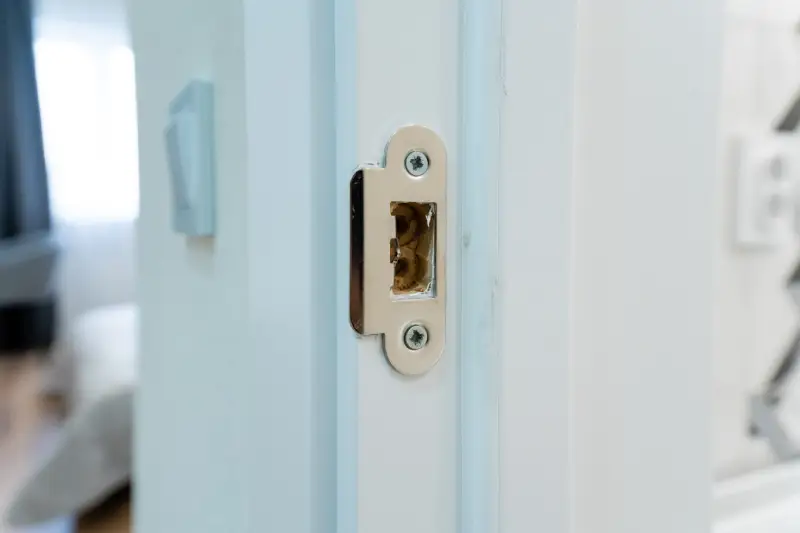
Understanding Electric Door Strikes
An electric door strike is one of the most commonly used hardware components in commercial access control systems. Rather than replacing the door lock itself, it works with compatible locking hardware to allow controlled entry when access is authorized. Understanding how electric door strikes function, where they are commonly installed, and how they integrate with commercial access control systems can help businesses evaluate whether this hardware is appropriate for their facility and operational requirements.
Where Are Electric Door Strikes Commonly Used?
Businesses evaluate commercial electric strike hardware for doors that require controlled access without disrupting everyday building operations. Because electric door strikes work with compatible mechanical locking hardware, they are commonly installed in facilities that need secure, convenient entry management across multiple access points.
Commercial environments that frequently evaluate electric door strikes include:
- Office buildings
- Healthcare facilities
- Educational campuses
- Manufacturing facilities
- Warehouses
- Multi-tenant commercial properties
- Government buildings
Within these facilities, common applications include:
- Main employee entrances
- Office suite entry doors
- Interior restricted areas
- Administrative offices
- Storage rooms
- Server or equipment rooms
- Employee-only access points
The most appropriate deployment depends on the building’s door configuration, traffic patterns, occupancy, access requirements, and overall security objectives.
How Does an Access Control Door Strike Work?
An access control door strike replaces the fixed strike plate in a compatible door frame, allowing the door to unlock electronically when it receives an authorized signal from the access control system.
Depending on the selected installation, the system may include:
- Door controller wiring
- Credential readers or keypads
- Request-to-exit device
- Door position monitoring
- Compatible locking hardware
Businesses evaluating electric door strike installation should also understand the difference between fail-safe vs fail-secure strike configurations. The appropriate operation depends on factors such as life safety requirements, building occupancy, applicable codes, and the intended function of the secured opening.
What Should Businesses Consider Before Installing Electric Door Strikes?
Selecting the appropriate electric strike involves more than choosing compatible door hardware. Businesses should evaluate how the opening will be used and how the hardware will operate within the overall access control system.
Common planning considerations include:
- Door and frame construction
- Existing locking hardware
- Access control compatibility
- Power availability
- Opening frequency
- Applicable building and life safety requirements
For some applications, businesses may also evaluate fire-rated door hardware, ADA door access requirements, and keypad entry integration depending on the type of opening being secured and the operational needs of the facility.
How Electric Door Strikes Support Commercial Access Control
Electric strikes are often evaluated alongside other access control technologies rather than as standalone hardware. Their role is to provide controlled entry while supporting broader building security and access management.
Depending on the selected system, electric door strikes may complement:
- Commercial access control
- Credential readers
- Visitor management systems
- Remote access administration
- Compatible building security technologies
Some organizations also compare maglock vs electric strike solutions when determining which type of locking hardware is most appropriate for specific commercial doors. The most suitable option depends on the opening, operational requirements, and overall access control strategy.
Talk to an Honor Security Expert
Comparing Electric Door Strikes With Other Access Control Hardware
Businesses evaluating commercial access control often compare electric door strikes with other locking technologies.
Common comparisons include:
- Maglock vs electric strike
- Electrified locks
- Electrified panic hardware
- Mechanical locksets
- Exit devices
Each hardware type is designed for different applications, and the most appropriate solution depends on the opening, traffic patterns, life safety requirements, and overall access control objectives.
Frequently Asked Questions About Electric Door Strikes
How much does an electric door strike cost for a commercial building?
The cost of an electric door strike depends on factors such as the type of opening, hardware compatibility, installation complexity, wiring requirements, and integration with an access control system. As a general guideline, commercial projects may range from approximately $500 to $3,000 or more per opening, depending on the scope of the installation. A professional site assessment provides the most accurate project estimate.
Can an electric door strike be added to an existing commercial door?
In many cases, yes. Whether a commercial electric strike can be installed on an existing door depends on the door frame, locking hardware, door condition, and compatibility with the planned access control system. A professional evaluation can help determine the most practical installation approach.
What is the difference between a fail-safe and fail-secure electric strike?
When comparing fail-safe vs fail-secure strike configurations, the primary difference is how the hardware responds during a power loss. The appropriate configuration is determined by the opening, operational requirements, applicable life safety considerations, and the intended function of the secured door.
Can electric door strikes work with keypad entry systems?
Many commercial access control systems support keypad entry integration with compatible electric door strikes, allowing authorized users to unlock designated doors using assigned credentials. Available functionality depends on the selected access control platform and connected hardware.
What is the purpose of a request-to-exit device?
A request-to-exit device allows occupants to unlock or release a controlled door from the secured side without presenting an access credential. The type of device used varies according to the access control system, door configuration, and operational requirements.
How does door controller wiring support an electric door strike?
Proper door controller wiring provides the communication and power needed for compatible access control equipment to operate an electric door strike. Wiring methods vary depending on the controller, locking hardware, and overall system design.
Can electric door strikes be installed on fire-rated commercial doors?
In some applications, fire-rated door hardware includes compatible electric strikes that are listed for use with fire-rated openings. Hardware selection should always be based on the door assembly, applicable codes, and manufacturer requirements.
How do businesses compare maglocks and electric door strikes?
When evaluating maglock vs electric strike solutions, businesses typically compare door operation, traffic patterns, access control objectives, life safety considerations, and compatibility with existing hardware. Understanding these factors helps determine which locking technology is better suited to a particular commercial opening.
Honor Security provides commercial security solutions for businesses throughout Saginaw, Bay City, Midland, and the surrounding Great Lakes Bay Region. If you’re evaluating commercial access control hardware or planning upgrades to your entry management system, our team can help you discuss solutions that align with your facility, operational requirements, and long-term security objectives.
