 Skip to content
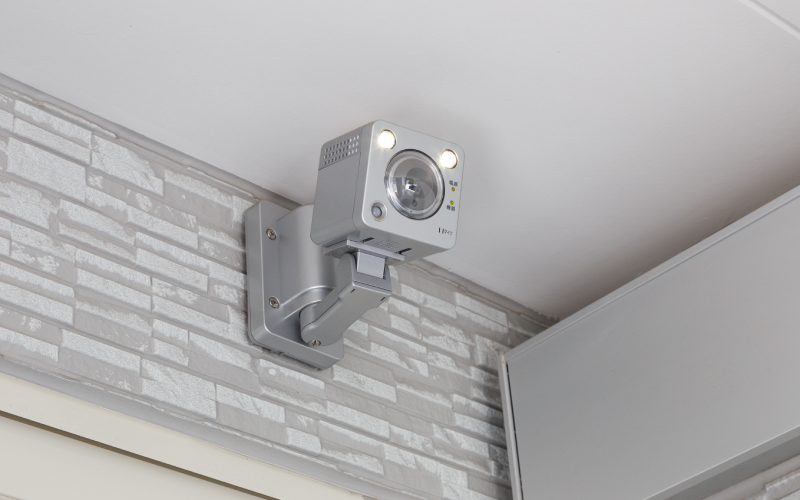
Security camera laws in Michigan generally allow businesses and homeowners to use video surveillance for legitimate security purposes. The key limitation is privacy: where a camera is installed, what it records, whether audio is enabled, and whether people reasonably expect privacy all matter.
Michigan security camera laws are primarily shaped by MCL 750.539a–750.539j, which address surveillance, eavesdropping, private places, and improper recordings.
Understanding Michigan Security Camera Laws
Michigan security camera laws draw an important distinction between common or public-facing areas and places where people may reasonably expect to be free from surveillance.
Where Security Cameras Are Generally Allowed in Michigan
Businesses commonly use cameras at building entrances and exits, parking lots, loading docks, sales floors, customer-facing areas, warehouses, inventory storage areas, hallways, server rooms, and cash-handling locations.
These locations generally carry a lower expectation of privacy. Businesses may also use technologies such as license plate recognition around suitable exterior entrances and parking areas when they fit the security purpose.
Where Security Cameras Should Not Be Installed
Restrooms, toilet areas, locker rooms, and changing rooms present clear privacy concerns.
Break rooms and private offices require more careful consideration. Their legality can depend on how the area is used, what employees reasonably expect, the surveillance purpose, and whether appropriate consent or notice has been provided.
Michigan Surveillance Camera Laws and the Right to Privacy
Michigan surveillance camera laws rely heavily on the concept of a “private place.”
Reasonable Expectation of Privacy
MCL 750.539a defines a private place as somewhere a person may reasonably expect to be safe from casual or hostile intrusion or surveillance and excludes places accessible to the public or a substantial group of the public.
Under MCL 750.539d, installing or using a device to observe, record, photograph, transmit, or eavesdrop in a private place without the required consent can be a felony. A first violation under the surveillance provision can carry up to two years of imprisonment, a fine of up to $2,000, or both.
Private vs. Public Areas for Video Surveillance
A parking lot, lobby, warehouse, or sales floor is different from a restroom or changing area. Camera placement should therefore follow the actual security need rather than simply maximizing coverage.
Honor Security designs commercial surveillance cameras around the layout and security requirements of the facility.
Michigan Video Surveillance Laws for Recording People
Michigan video surveillance laws do not make recording people universally illegal. The location, circumstances, purpose, and privacy expectations surrounding the recording are important.
Video Surveillance Laws in Michigan for Public and Common Areas
Video surveillance laws in Michigan generally allow cameras in appropriate public-facing or common business areas for purposes such as theft prevention, safety, incident documentation, property protection, and access monitoring.
Even there, cameras should not unnecessarily capture private areas outside the intended security zone.
Michigan Laws on Video and Audio Recording
Video and audio recording require separate consideration.
Michigan’s eavesdropping statutes define eavesdropping in terms of recording the private discourse of others without permission. Michigan appellate decisions have also recognized that a participant in a conversation is treated differently from a third party secretly recording other people.
For stationary business cameras, the practical point is important: do not assume that a built-in microphone can automatically be enabled simply because video surveillance is appropriate.
Security Camera Laws in Michigan for Businesses
Security camera laws in Michigan generally allow businesses to monitor appropriate areas for legitimate operational and security purposes.
Business Security Camera Laws for Customers and Visitors
Business security camera laws commonly permit monitoring of entrances, sales areas, checkout locations, parking lots, and other customer-accessible spaces.
Michigan does not impose one universal signage format for every commercial camera system, but visible signage and clear disclosure can help communicate that surveillance is occurring.
Where Businesses Can Place Security Cameras
Useful locations include entrances, loading docks, warehouses, inventory storage, cash-handling areas, hallways, server rooms, parking lots, and other areas where theft, unauthorized access, or safety incidents are realistic concerns.
Areas Where Businesses Should Avoid Camera Surveillance
Restrooms, changing areas, locker rooms, and comparable private spaces should be excluded from ordinary surveillance.
Businesses should also use caution with break rooms and private offices rather than assuming they can be monitored in the same way as warehouses or sales floors.
Cameras in the Workplace: Employee Rights in Michigan
Cameras in the workplace and employee rights require businesses to balance legitimate security needs with employee privacy.
Can Employers Legally Use Security Cameras in the Workplace?
Employers can generally use cameras in appropriate non-private work areas for purposes such as safety, loss prevention, incident review, and property protection.
Monitoring becomes more legally sensitive when cameras capture private spaces, private conversations, or activities unrelated to employment.
Cameras in Break Rooms, Offices, and Employee Areas
Break rooms can involve meals, personal calls, medication use, and private conversations. Private offices may also carry stronger privacy expectations depending on their use and access.
Businesses considering cameras in these locations should obtain legal guidance rather than relying on a blanket rule.
Creating a Camera in the Workplace Policy
A camera in the workplace policy should explain camera locations, the purpose of monitoring, whether audio is enabled, who may access footage, how footage is stored, and how long recordings are retained.
The live Honor Security guidance notes that many commercial systems use roughly 30–90 days of retention as an operational benchmark, although there is no single statewide retention period for every Michigan business. Regulated industries and insurance requirements may require different retention practices.
The Bullard-Plawecki Employee Right to Know Act also places limits on certain records employers keep concerning employees and should be considered when workplace monitoring produces employment-related records.
Residential Security Camera Laws in Michigan
Residential security camera laws generally permit homeowners to monitor their own property for legitimate security purposes.
Security Cameras Around Your Home and Property
Homeowners commonly place cameras around entrances, driveways, garages, yards, and other exterior areas.
MCL 750.539d includes an exception for security monitoring in a residence when conducted by or at the direction of the owner or principal occupant, unless the monitoring is carried out for a lewd or lascivious purpose.
Can Your Security Camera Record a Neighbor’s Property?
An exterior camera may incidentally capture part of neighboring property. Problems become more likely when surveillance is deliberately aimed into places where neighbors reasonably expect privacy.
Camera positioning should therefore focus on protecting your own property.
Doorbell Cameras and Outdoor Surveillance
Doorbell cameras and outdoor systems are commonly used to monitor visitors, packages, driveways, and exterior activity. Placement should remain focused on legitimate home-security purposes.
Michigan Security Camera Laws for Audio Recording
Audio-enabled security cameras introduce additional legal considerations beyond video alone.
Can Security Cameras Record Conversations in Michigan?
Michigan’s statutory language refers to permission from people engaged in private discourse, while Michigan appellate decisions have held that a participant recording their own conversation is not considered an eavesdropper.
That distinction does not give businesses a blanket right to record conversations between employees or visitors through stationary surveillance microphones. Legal review is advisable before enabling workplace audio.
Video-Only vs. Audio-Enabled Security Cameras
Video-only surveillance can avoid some of the additional issues created by recording conversations.
Many modern IP cameras and recorders include microphones or audio capability, so businesses should review system settings rather than assuming audio is disabled.
Michigan Security Camera Laws and MCL 750.539d
MCL 750.539d is one of the most important statutes affecting Michigan security camera laws.
What Does MCL 750.539d Cover?
The statute prohibits installing, placing, or using a device in a private place without the consent of the people entitled to privacy there for purposes including observing, recording, photographing, transmitting, or eavesdropping.
The rule applies based on the privacy of the location, not simply whether the camera is hidden or visible.
Michigan also has MCL 750.539j, which separately addresses voyeuristic surveillance or recording involving people who are undressed or partially undressed where they reasonably expect privacy.
Private Places and Surveillance Under Michigan Law
Whether an area qualifies as a private place depends on the circumstances and reasonable expectation of freedom from intrusion or surveillance.
This makes location analysis more important than simply asking whether a camera is visible.
How to Follow Security Camera Laws in Michigan
Choose Appropriate Camera Locations
Prioritize entrances, parking areas, loading zones, cash-handling locations, warehouses, inventory areas, and other spaces tied directly to legitimate security concerns.
Consider Employee and Visitor Privacy
Avoid unnecessary monitoring of personal or private spaces and consider how camera angles, zoom capabilities, microphones, and new analytics affect privacy.
Create a Clear Security Camera Policy
Document where cameras operate, why they are used, whether audio is enabled, who can review recordings, and how long footage is retained.
Policies should also be reviewed when new capabilities such as facial recognition, license plate recognition, audio detection, or expanded camera coverage are introduced.
Honor Security can integrate surveillance with access control when businesses need coordinated entry and video security.
Get Legal Guidance When Needed
Some Michigan businesses face additional requirements. Cannabis businesses may have mandatory video-coverage and retention rules, healthcare organizations must also consider HIPAA-related obligations, and financial institutions may face additional federal requirements.
A security integrator can design and configure the technology, but qualified Michigan legal counsel should advise on whether a specific monitoring practice complies with applicable law.
Frequently Asked Questions About Michigan Security Camera Laws
- Are security cameras legal in Michigan?
Yes, generally, when cameras are used for legitimate purposes in areas where people do not have a reasonable expectation of privacy. - Where are security cameras not allowed in Michigan?
Restrooms, locker rooms, changing areas, and other private places present the clearest restrictions. - Can you video record someone without their consent in Michigan?
It depends on the location and circumstances. Recording someone in a private place without required consent can violate Michigan law. - Can employers have cameras in break rooms in Michigan?
There is no safe universal answer. Break rooms can involve meaningful privacy expectations, so legal guidance is advisable before installing surveillance there. - Is it legal to have cameras in the workplace in Michigan?
Generally yes in appropriate non-private work areas when cameras serve legitimate business or security purposes. - Can an employer record audio in the workplace in Michigan?
Audio raises separate eavesdropping considerations. Employers should obtain legal guidance before enabling microphones on workplace surveillance systems. - Do businesses have to tell employees about security cameras?
Michigan does not establish one universal notification format for every workplace camera installation. Written policies, employee disclosure, and visible notice are prudent practices. - Can security cameras point at a neighbor’s property in Michigan?
Incidental views can occur, but cameras should not be deliberately positioned to invade areas where neighbors reasonably expect privacy. - What does MCL 750.539d say about surveillance cameras?
It restricts surveillance and recording devices in private places without the consent of people entitled to privacy there. - Are residential security cameras legal in Michigan?
Yes, generally, when they are used for legitimate security purposes without unlawfully invading another person’s privacy.
This article provides general information and is not legal advice. Michigan laws may change or apply differently depending on the specific property, business, industry, or recording practice. Consult a qualified Michigan attorney regarding specific surveillance decisions.
