
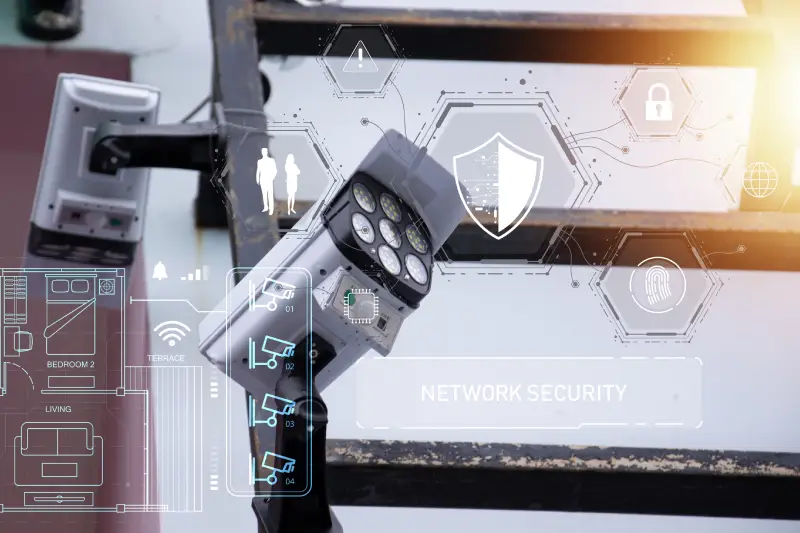
Understanding Security Camera Hacking Risks
Security camera hacking is a concern for businesses that rely on connected surveillance systems to protect their facilities. As more commercial cameras operate over IP networks, organizations are paying closer attention to cybersecurity alongside physical security. Understanding common vulnerabilities and following recognized security best practices can help reduce risk while supporting the reliable operation of commercial video surveillance systems.
What Is Security Camera Hacking?
Security camera hacking refers to unauthorized access to a surveillance camera or its associated network, software, or recorded video. Like other internet-connected devices, IP-based security cameras can become vulnerable if they are not properly configured, maintained, or protected. While the level of risk varies depending on the surveillance system and network environment, understanding how unauthorized access can occur helps businesses make more informed decisions when evaluating commercial video surveillance technologies.
How Commercial Security Cameras Can Be Vulnerable
Like many network-connected devices, commercial surveillance systems require ongoing management to help maintain security. The level of risk depends on factors such as network configuration, user access, and system maintenance.
Businesses commonly evaluate potential security camera vulnerability areas including:
- Weak or reused passwords
- Outdated firmware
- Unsecured network access
- Improper user permissions
- Remote access configuration
- Unsupported legacy equipment
Understanding these potential vulnerabilities helps organizations strengthen the overall security of their surveillance systems.
Best Practices to Help Prevent Camera Hacking
Reducing cybersecurity risk involves more than installing commercial cameras. Businesses should also review how surveillance systems are configured and maintained over time.
Common practices — how to prevent camera hacking:
- Replacing default administrator credentials
- Applying camera firmware update security recommendations
- Limiting user access permissions
- Using secure remote access methods
- Reviewing network security settings
- Monitoring system updates
The appropriate cybersecurity measures depend on the surveillance platform and the organization’s IT policies.
Strengthening Cybersecurity for IP Cameras
As businesses expand connected security technologies, cybersecurity for IP cameras becomes an important part of protecting commercial surveillance infrastructure.
Organizations often evaluate:
- VPN for security cameras used for secure remote access
- Encrypted video surveillance communication where supported
- Network segmentation
- User authentication controls
- Ongoing software maintenance
These measures can help reduce exposure to common network security risks while supporting more secure surveillance operations.
Frequently Asked Questions About Security Camera Hacking
Are older security camera systems more vulnerable to cyber threats?
Older commercial surveillance systems may present greater security camera vulnerability if they no longer receive firmware updates or manufacturer support. Businesses evaluating older systems should review software support, network security, and compatibility with current cybersecurity practices before deciding whether upgrades are appropriate.
Why is using a default camera password a security risk?
A default camera password risk exists because factory-issued login credentials may be publicly known or easier to exploit if they are not changed during installation. Replacing default credentials with strong, unique passwords is a widely recommended cybersecurity practice for commercial surveillance systems.
Why is manufacturer support important for IP camera cybersecurity?
Ongoing manufacturer support helps businesses receive firmware updates, security patches, and software improvements that address newly identified vulnerabilities. When evaluating IP camera for cybersecurity, businesses should consider whether their surveillance equipment continues receiving long-term software support.
Does encrypted video surveillance improve cybersecurity?
Encrypted video surveillance helps protect video data as it travels between compatible cameras, recording devices, and management platforms. Available encryption capabilities depend on the selected surveillance system and how it is configured.
Should businesses use a VPN for security cameras?
A VPN for security cameras may provide a more secure method of remote access by helping protect communications between authorized users and the surveillance system. Whether a VPN is appropriate depends on the organization’s network architecture and security requirements.
What should businesses consider before upgrading older IP camera systems?
Before upgrading, businesses should evaluate the age of the equipment, manufacturer support, available firmware updates, compatibility with existing recording platforms, and overall cybersecurity capabilities. A professional system assessment can help determine the most appropriate long-term approach.
Who should be involved when planning commercial surveillance cybersecurity?
Protecting commercial surveillance systems often involves coordination between security providers and an organization’s IT personnel. Working together helps businesses evaluate network configuration, user access, software updates, and operational requirements as part of a broader security strategy.
How do businesses evaluate the cybersecurity of a commercial surveillance system?
When evaluating commercial surveillance systems, businesses should review user authentication, remote access methods, software support, firmware maintenance, network protection, and available cybersecurity features. Assessing these areas can help organizations strengthen the long-term security of their video surveillance environment.
Honor Security provides commercial security solutions for businesses throughout Saginaw, Bay City, Midland, and the surrounding Great Lakes Bay Region. If you’re evaluating commercial video surveillance systems or planning upgrades to improve system reliability and long-term security, our team can help you discuss solutions that align with your facility and operational requirements.