 Skip to content
Choosing the Right Structured Cabling Services for Commercial Security
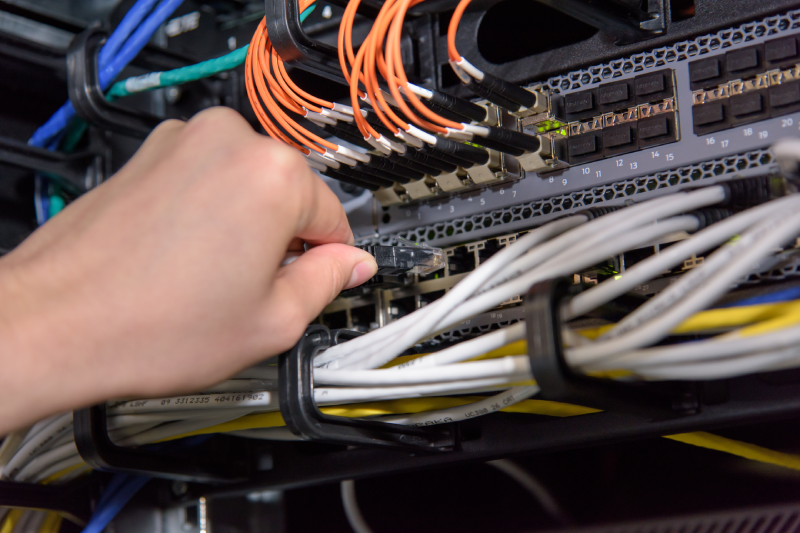
A commercial security system is only as reliable as the network infrastructure behind it. Structured cabling services provide the physical connections that allow surveillance cameras, access control devices, intercoms, and other security technologies to communicate throughout a building. Planning the cabling infrastructure early helps businesses support reliable system performance while reducing disruption during future security installations or renovations.
Why Businesses Invest in Commercial Structured Cabling
Installing structured cabling during construction or renovation can simplify future technology deployments and reduce the need for additional wiring as security requirements evolve.
Commercial properties that commonly evaluate commercial structured cabling include:
- Office buildings
- Healthcare facilities
- Manufacturing facilities
- Warehouses
- Educational campuses
- Multi-tenant commercial properties
The most appropriate cabling design depends on the building’s layout, communications requirements, and the technologies it is intended to support.
What Should Businesses Compare?
Not every structured cabling contractor follows the same design standards or installation practices. Before selecting a provider, businesses should compare both the infrastructure being installed and the quality of the installation.
Evaluation considerations include:
- Network cabling installation
- Low voltage cabling services
- Cat6 cabling
- Fiber optic backbone
- Patch panel termination
- PoE cabling for cameras
- Cable testing and certification
- Documentation and labeling
Comparing installation practices — not just cable specifications — helps businesses build a more organized and maintainable network infrastructure.
Common Mistakes to Avoid When Investing in Structured Cabling
Many cabling issues are not discovered until new technologies are added or system changes are required. Careful planning before installation can help avoid unnecessary disruption and additional project costs.
Businesses should avoid:
- Underestimating future network capacity
- Using cable types that do not match application requirements
- Skipping cable labeling and documentation
- Poor cable routing and organization
- Selecting an installer based only on the lowest price
Addressing these considerations during the planning stage can help create a cabling infrastructure that is easier to maintain throughout the life of the building.
How Structured Cabling Connects Commercial Security Technologies
A structured cabling system creates a common communications network that allows multiple security technologies to operate across the same infrastructure.
Depending on the facility, the network may connect:
- Commercial video surveillance
- Access control systems
- Commercial intercom systems
- Intrusion detection
- Other compatible network-connected security devices
Using a shared cabling infrastructure can simplify future system additions while helping maintain a more organized commercial security environment.
Talk to an Honor Security Expert
Frequently Asked Questions About Structured Cabling Services
How much do structured cabling services cost?
The cost of structured cabling services depends on factors such as building size, cable types, installation complexity, the number of network drops, termination requirements, and the technologies being supported. As a general guideline, many commercial structured cabling projects range from approximately $3,000 to $50,000 or more, while larger facilities or campus environments may require a greater investment. A professional site assessment provides the most accurate project estimate.
Can an existing commercial cabling system be upgraded instead of replaced?
In many cases, yes. Whether an existing commercial structured cabling system can be upgraded depends on the condition of the current infrastructure, available capacity, cable performance, and compatibility with newer technologies. A professional evaluation can help determine the most practical long-term approach.
When should businesses choose Cat6 cabling instead of other cable types?
Cat6 cabling is commonly evaluated for commercial environments that require reliable, high-speed network performance for connected devices. The most appropriate cable type depends on the building’s network requirements, planned applications, and future technology needs.
What are the benefits of a fiber optic backbone in commercial buildings?
A fiber optic backbone is often considered for larger facilities or multi-building properties where long-distance, high-bandwidth communication is required. Whether fiber is appropriate depends on the building layout, network design, and the technologies being supported.
Why is patch panel termination important?
Proper patch panel termination helps organize network connections, simplify maintenance, and make future moves, additions, or changes easier to manage. Well-documented terminations can also reduce troubleshooting time when modifications are required.
Is PoE cabling suitable for commercial security systems?
PoE cabling for cameras is commonly used with compatible IP surveillance devices that receive both network connectivity and electrical power through a single Ethernet cable. Whether PoE is appropriate depends on the selected equipment and overall network design.
How do low voltage cabling services support commercial security systems?
Low voltage cabling services provide the infrastructure that connects security technologies such as surveillance cameras, access control devices, intercoms, and intrusion detection equipment. The specific cabling requirements depend on the systems being installed and the building’s operational needs.
How do businesses choose the right structured cabling contractor?
When evaluating a structured cabling contractor, businesses should compare commercial installation experience, testing and certification practices, documentation standards, cable management methods, and the ability to support current and future low-voltage technologies. Selecting a qualified contractor helps support a reliable and well-organized cabling infrastructure.
Honor Security provides commercial security solutions for businesses throughout Saginaw, Bay City, Midland, and the surrounding Great Lakes Bay Region. If you’re evaluating commercial security technologies that depend on reliable network infrastructure, our team can help you discuss solutions that align with your facility, operational requirements, and long-term security goals.
