
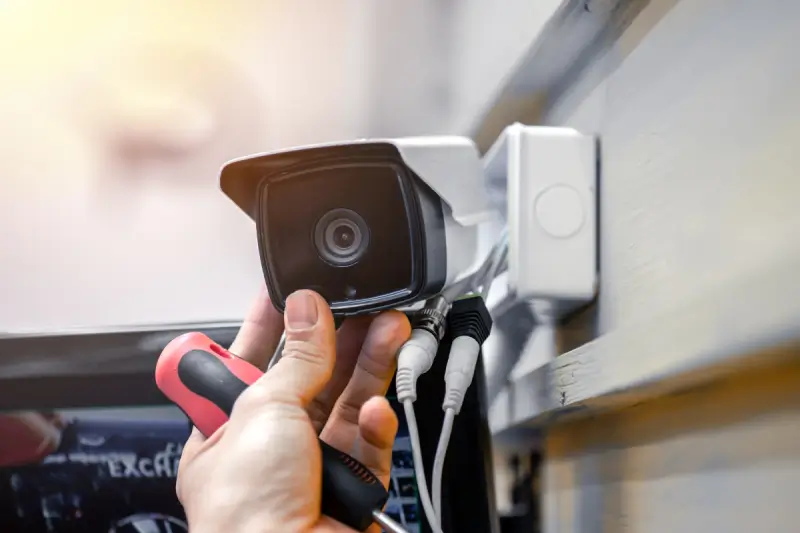
Choosing the Right Construction Site Security Cameras for Your Project
Construction site security cameras help contractors and project owners monitor active jobsites where changing conditions, valuable equipment, and unrestricted access can create ongoing security challenges. Unlike permanent commercial surveillance systems, construction security often requires flexible deployment, remote visibility, and equipment that can adapt as a project progresses. Understanding what to evaluate before installation can help organizations select a surveillance solution that supports both site operations and long-term project security.
Why Construction Projects Require Specialized Surveillance
Construction sites operate differently from completed commercial buildings. Site layouts evolve throughout the project, temporary access points change, and equipment is regularly moved between work areas. These conditions often require surveillance systems that can be relocated or expanded as construction progresses.
Projects that commonly evaluate construction site surveillance include:
- Commercial developments
- Industrial construction
- Warehouse projects
- Manufacturing expansions
- Educational facilities
- Healthcare construction
- Infrastructure improvement projects
Within these projects, surveillance is commonly evaluated for:
- Equipment storage areas
- Material laydown yards
- Temporary site entrances
- Parking and staging areas
- Building perimeters
- High-value equipment locations
- Active work zones
The most appropriate deployment depends on the project’s size, duration, site conditions, and operational requirements.
What Should Contractors Evaluate Before Selecting Jobsite Cameras?
Not every surveillance solution is designed for temporary construction environments. Contractors often compare how different systems support changing site conditions throughout the life of the project.
Evaluation considerations include:
- Jobsite security camera deployment options that can accommodate changing construction phases and evolving site layouts
- Temporary security cameras construction capabilities designed to support projects without permanent security infrastructure
- Remote video monitoring construction features that allow authorized personnel to review compatible surveillance cameras from off-site locations
- Power availability to determine whether the selected surveillance solution can operate using the utilities available at the jobsite
- Network connectivity requirements based on available wired, wireless, or cellular communication options
- Camera relocation flexibility to support repositioning surveillance equipment as construction progresses and site conditions change
- Recording and storage requirements based on project duration, monitoring objectives, and video retention needs
Some projects also evaluate cellular surveillance jobsite solutions where permanent internet infrastructure is unavailable. The most appropriate system depends on the site’s operational requirements, available utilities, and project timeline.
Common Security Challenges on Active Construction Sites
Construction projects present security concerns that differ from those of occupied commercial facilities. As work progresses, surveillance requirements often change alongside the project itself.
Organizations commonly evaluate surveillance strategies to help address:
- After-hours site activity
- Material storage monitoring
- Equipment visibility
- Temporary access points
- Changing perimeter conditions
- Site progress documentation
Many contractors also consider theft prevention construction site strategies when protecting tools, equipment, and building materials throughout different phases of construction.
How Construction Site Security Cameras Support Project Management
Construction surveillance is often evaluated for more than security alone. Depending on the selected platform, camera systems may also support project oversight and documentation throughout the construction process.
Available capabilities may include:
- Remote video monitoring of construction to allow authorized personnel to view compatible surveillance cameras from off-site locations throughout the project
- Project progress visibility to help stakeholders observe construction milestones and site activity without requiring frequent site visits
- Time-lapse jobsite camera documentation for creating visual records of construction progress from groundbreaking through project completion
- Centralized video management for reviewing, organizing, and managing video from multiple cameras through a compatible surveillance platform
- Integration with compatible commercial security technologies to support coordinated operation alongside access control, intrusion detection, or other compatible security systems where supported
Available functionality depends on the selected surveillance platform, project infrastructure, and system configuration.
Talk to an Honor Security Expert
Comparing Construction Site Surveillance Options
Construction projects often compare surveillance solutions based on project duration, site conditions, and available infrastructure.
| Comparison | Primary Difference | Common Commercial Considerations |
| Mobile Security Camera Trailer vs. Fixed Camera Installation | A mobile security camera trailer can be relocated as site conditions change, while fixed cameras remain in permanent positions. | Project duration, changing site layout, relocation requirements, and deployment flexibility. |
| Solar-Powered Security Camera vs. Conventionally Powered Camera | A solar-powered security camera operates using independent power, while conventional systems rely on available electrical infrastructure. | Power availability, installation timeline, equipment placement, and operational continuity. |
| Cellular Surveillance Jobsite vs. Wired Network Connectivity | Cellular systems communicate through mobile networks, while wired systems depend on established network infrastructure. | Internet availability, deployment speed, bandwidth requirements, and site connectivity. |
| Deployable Camera Tower vs. Building-Mounted Cameras | A deployable camera tower provides elevated temporary surveillance, while building-mounted cameras are installed on completed structures. | Site development stage, viewing coverage, relocation needs, and monitoring objectives. |
| Time-Lapse Jobsite Camera vs. Continuous Surveillance Recording | Time-lapse systems document project progression, while continuous recording focuses on security monitoring. | Documentation goals, project reporting, storage requirements, and operational priorities. |
The most appropriate surveillance approach depends on the project’s operational requirements, site conditions, available infrastructure, and overall security objectives.
Frequently Asked Questions About Construction Site Security Cameras
How much do construction site security cameras cost?
The cost of construction site security cameras depends on factors such as project size, camera quantity, deployment duration, recording requirements, installation complexity, power availability, and monitoring capabilities. A professional site assessment provides the most accurate project estimate.
Can construction site surveillance be expanded as a project grows?
Many construction site surveillance solutions are designed to accommodate additional cameras or monitoring areas as construction progresses. Expansion capabilities depend on the selected surveillance platform, available infrastructure, and project requirements.
Can remote personnel monitor a construction site from another location?
Many platforms support remote video monitoring of construction, allowing authorized users to view compatible surveillance cameras from off-site locations. Available remote access capabilities depend on the selected recording platform, network connectivity, and system configuration.
How can construction sites maintain surveillance before permanent utilities are available?
Some projects evaluate temporary security camera solutions for construction that can operate independently of permanent building infrastructure. The available deployment options depend on the project’s power sources, communication methods, and site conditions.
What should contractors consider before selecting cellular surveillance for a jobsite?
When evaluating cellular surveillance jobsite solutions, contractors commonly review network coverage, data requirements, camera locations, project duration, and expected monitoring needs. These factors help determine whether cellular connectivity is appropriate for the site.
Can construction security cameras help protect equipment and building materials?
Many contractors evaluate surveillance as one component of a broader theft prevention construction site strategy for monitoring equipment storage areas, material laydown yards, and other high-value locations. The level of protection depends on the overall security plan and the technologies selected.
Can construction surveillance continue after the project is completed?
Some surveillance systems installed for active construction projects may be incorporated into a permanent commercial security strategy, while others are intended only for temporary deployment. The appropriate approach depends on the selected equipment, project objectives, and the long-term security requirements of the completed facility.
Honor Security provides commercial security solutions for businesses throughout Saginaw, Bay City, Midland, and the surrounding Great Lakes Bay Region. If you’re evaluating surveillance technologies for an active construction project, our team can help you discuss solutions that align with your jobsite, operational requirements, and long-term security objectives.