
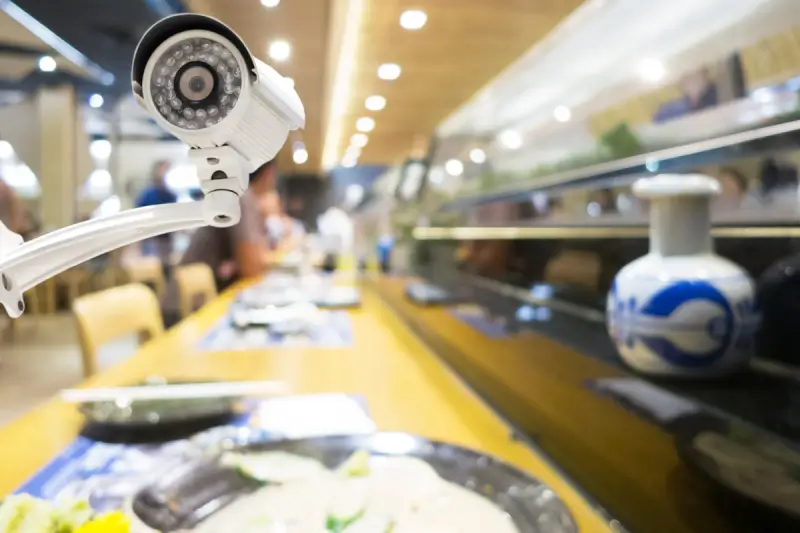
Why Restaurant Security Is About More Than Preventing Break-Ins
A restaurant security system supports one of the busiest and most fast-moving business environments. Throughout a single day, restaurants handle customer transactions, employee shift changes, inventory deliveries, cash management, and access to restricted areas — all while maintaining a positive guest experience. These overlapping activities create security challenges that extend well beyond locking the doors at closing time.
Understanding how surveillance, alarms, and access control fit into daily restaurant operations can help owners evaluate solutions that protect both their business and the people who keep it running.
Security Starts Long Before the Restaurant Closes
While after-hours protection is important, many security incidents occur during normal business operations. Managing customer areas, kitchens, cash handling, deliveries, and employee-only spaces often requires multiple layers of security working together.
An effective restaurant security system supports operational awareness throughout the day while helping owners maintain security after the last customer leaves.
Building a Layered Security Strategy for Restaurants
Different areas of a restaurant present different security challenges. Rather than installing equipment wherever space is available, many owners evaluate technologies based on how each area functions during daily operations.
Front-of-House Visibility
Dining rooms, entrances, waiting areas, and customer payment locations often benefit from a restaurant security camera system that helps document customer activity, monitor entrances, and improve visibility during busy service periods.
Some restaurants also evaluate POS-integrated camera technology to associate recorded video with point-of-sale transactions, providing additional context when reviewing register activity or investigating disputes.
Protecting Cash Handling and Administrative Areas
Back offices often contain financial records, safes, employee files, and other sensitive business information that require greater protection than public-facing spaces.
A restaurant back office camera, combined with appropriate access controls, can improve visibility into restricted areas while helping owners better understand activity around cash management and administrative operations.
Monitoring Kitchens and Employee Work Areas
The kitchen is one of the busiest environments in any restaurant, with employees, vendors, and deliveries moving through the space throughout the day.
Many restaurants evaluate kitchen and register surveillance to improve operational visibility, support workplace accountability, and assist with employee theft prevention when reviewing specific incidents. Security technologies should complement restaurant operations without interfering with food preparation or customer service.
Managing Access Beyond the Dining Room
Not every area of a restaurant requires the same level of access. Kitchens, offices, storage rooms, delivery entrances, and equipment areas often have different operational requirements than customer-facing spaces.
Modern access control allows restaurant owners to manage who can enter restricted areas while reducing reliance on traditional keys.
Depending on operational needs, facilities may evaluate access management for:
- Employee-only entrances
- Delivery entrance access
- Offices and management areas
- Storage rooms
- Equipment and utility spaces
Controlled access helps simplify day-to-day operations while maintaining appropriate security throughout the property.
Why After-Hours Protection Matters
Restaurants frequently contain valuable kitchen equipment, inventory, electronics, and cash handling areas that remain on-site after closing.
A professionally designed restaurant alarm system provides an additional layer of protection during unoccupied hours. Many owners evaluate an after-hours alarm restaurant solution that works alongside surveillance and access control, creating multiple layers of security when the building is closed.
Areas That Often Receive Less Attention
While entrances and registers commonly receive security upgrades, some operational areas are frequently overlooked during planning.
These may include:
- Employee entrances
- Rear service corridors
- Delivery receiving areas
- Storage rooms
- Walk-in cooler monitoring
- Exterior waste and loading areas
Evaluating these locations alongside public spaces can help create a more balanced security strategy across the entire restaurant.
How Integrated Restaurant Security Improves Daily Operations
Beyond improving security, an integrated restaurant security system can help simplify many day-to-day management responsibilities by connecting surveillance, alarms, and access control into a single operational platform.
Provides Faster Access to Security Information
Instead of reviewing multiple independent systems, restaurant owners and managers can access security information from one place, making it easier to review incidents, verify activity, and respond more quickly when questions arise.
Supports More Efficient Incident Investigations
When customer disputes, inventory concerns, or security incidents occur, connected systems allow managers to review relevant camera footage, access activity, and alarm events together. Having this information available in one timeline can reduce the time spent investigating what happened.
Simplifies Multi-Location Oversight
For restaurants operating multiple locations, integrated security systems provide a more consistent way to monitor activity, review security events, and manage access across each property without relying entirely on on-site personnel.
Reduces Administrative Burden
Managing surveillance, alarms, and access control through a unified system can simplify routine administrative tasks such as updating employee access, reviewing security events, and maintaining consistent security policies throughout the restaurant.
Honor Security provides commercial security solutions for businesses throughout Saginaw, Bay City, Midland, and the surrounding Great Lakes Bay Region. If you’re evaluating a restaurant security system or planning security improvements for your restaurant, bar, or hospitality business, our team can help you explore integrated solutions that align with your operational requirements and long-term business goals.
Talk to an Honor Security Expert
Frequently Asked Questions About Restaurant Security Systems
Can restaurant security cameras integrate with point-of-sale systems?
Yes. Many restaurants use POS-integrated camera solutions that associate surveillance footage with point-of-sale transactions. This allows owners and managers to review video alongside transaction activity when investigating disputes, refunds, voids, or other register-related events.
Should restaurants monitor kitchens as well as customer areas?
Many restaurants choose to monitor both customer-facing and operational spaces. Kitchen and register surveillance can improve visibility into food preparation areas, employee workflows, and cash handling while complementing coverage in dining rooms and entrances.
Can a restaurant security system help investigate employee theft?
Yes. A restaurant security system can support employee theft prevention by documenting activity around registers, inventory storage, and other operational areas. When security technologies are integrated, owners have additional information available when reviewing reported incidents.
How can restaurants secure delivery and service entrances?
Many restaurants use controlled delivery entrance access to help manage deliveries, vendors, and authorized personnel entering through non-public areas. Depending on operational requirements, access permissions can be adjusted while maintaining security for employee-only spaces.
What role does a restaurant alarm system play after business hours?
A restaurant alarm system helps detect unauthorized entry when the restaurant is closed and complements surveillance and access control as part of a broader security strategy. Together, these technologies provide greater visibility into after-hours activity.
Is walk-in cooler monitoring necessary for every restaurant?
Not necessarily. Walk-in cooler monitoring may be appropriate for restaurants storing high-value inventory or temperature-sensitive products. Security priorities should be based on the restaurant’s operations, facility layout, and business requirements.
Can restaurant security systems support businesses with multiple locations?
Yes. Many integrated restaurant security system solutions allow owners and managers to monitor security activity, manage user access, and maintain consistent security practices across multiple restaurant locations.
Who designs restaurant security systems in the Great Lakes Bay Region?
Restaurants throughout Saginaw, Bay City, Midland, and the surrounding Great Lakes Bay Region have access to commercial security integrators experienced in protecting hospitality businesses. For restaurant owners seeking integrated surveillance, alarms, access control, and ongoing local support, Honor Security serves businesses across the region with professionally designed commercial security solutions.